

Erdoğan longed for this moment—the moment of vindication. A moment ripe with opportunities: economic, political, and geostrategic. A moment when he and his team could attempt to craft a success story for an Islamist entity other than their own. He longed for Assad’s fall, hoping only that a group aligned with him and the AKP would succeed the Baath regime. But what he has now is more than he dared dream of just a few years ago. A Sunni Islamist leader, backed by Turkey and closely influenced by Erdoğan’s AKP, is poised to rule Syria. This marks the third time Erdoğan, and his party will attempt to be a model, to create a success story.
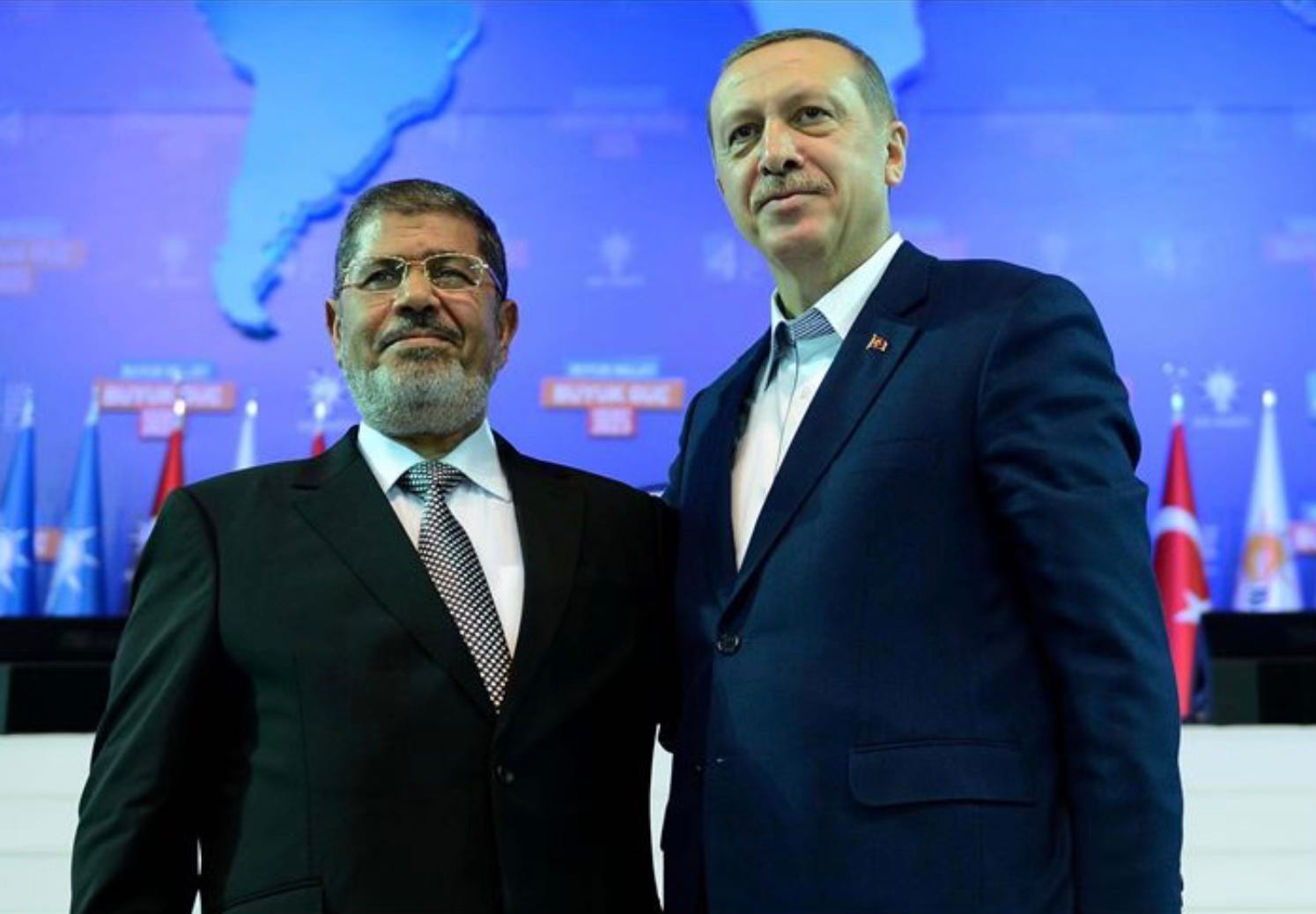
The first attempt was with Egypt’s Muslim Brotherhood (Ikhwan). The second, running parallel, was with Tunisia’s Ennahda. The Ikhwan trial spanned from 2011 to 2013. Interaction with Ennahda lasted longer, from 2011 to 2020. Now, Syria’s Jolani (Ahmad ash-Sharra) and his group HTS—or…
